Posted by Harrison Byrne
Filed in Arts & Culture 31 views
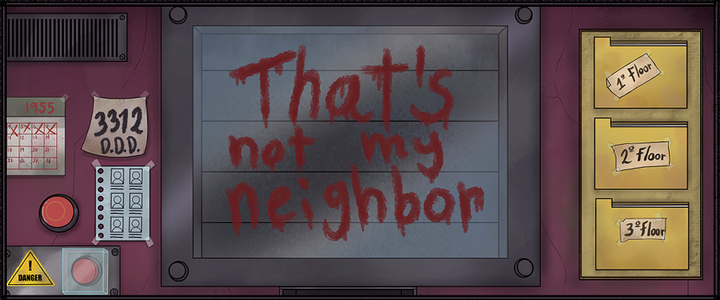
Ever wondered if your friendly neighbor is… well, actually your friendly neighbor? "That's Not My Neighbor" takes that unsettling thought and spins it into a thrilling, minimalist game of observation and deduction. This indie gem, available to experience at That's Not My Neighbor, has quickly captivated players with its deceptively simple premise and surprisingly deep gameplay.
Unmasking the Doppelganger: The Gameplay Loop
The core concept of "That's Not My Neighbor" is straightforward: you are a doppelganger detection agent working the night shift. Your task is to verify the identity of everyone who knocks on your door, ensuring no sinister doppelganger slips through. Each "neighbor" presents their ID, and you must meticulously compare the information on the card with their physical appearance and statements.
The game starts subtly, with minor discrepancies to spot. A birthmark in the wrong place, an eye color that doesn't match the photo, or a slightly off-kilter height can be your first clues. As the game progresses, the doppelgangers become more cunning. They might have missing limbs, unusual voices, or even bizarre requests that hint at their true nature. You'll consult a "guidebook" – your trusty clipboard – which lists crucial information about known residents, making cross-referencing vital. Your decisions are critical: approve an imposter, and it's game over. Deny a legitimate resident, and you risk a penalty. The tension builds with every knock, each decision weighing heavily.
Sharpening Your Senses: Tips for Aspiring Detectives
To excel at "That's Not My Neighbor," keen observation is paramount. Here are a few tips to help you keep the doppelgangers at bay:
The Unsettling Charm of Observation
"That's Not My Neighbor" is a testament to how simple mechanics can create a deeply engaging and even unnerving experience. It taps into our innate human ability to spot anomalies and challenges us to trust our instincts while also relying on cold, hard facts. Whether you're a fan of puzzle games, horror-lite experiences, or just looking for something unique, give "That's Not My Neighbor" a try. You might just find yourself questioning every familiar face after a few shifts.

Choose a test user to login and take a site tour.